
Your racket is in the car right now, isn't it
What heat and cold quietly do to your racket, the five calls that stop the ball landing between you, is a ball pressurizer worth it, and Kansas's first club.
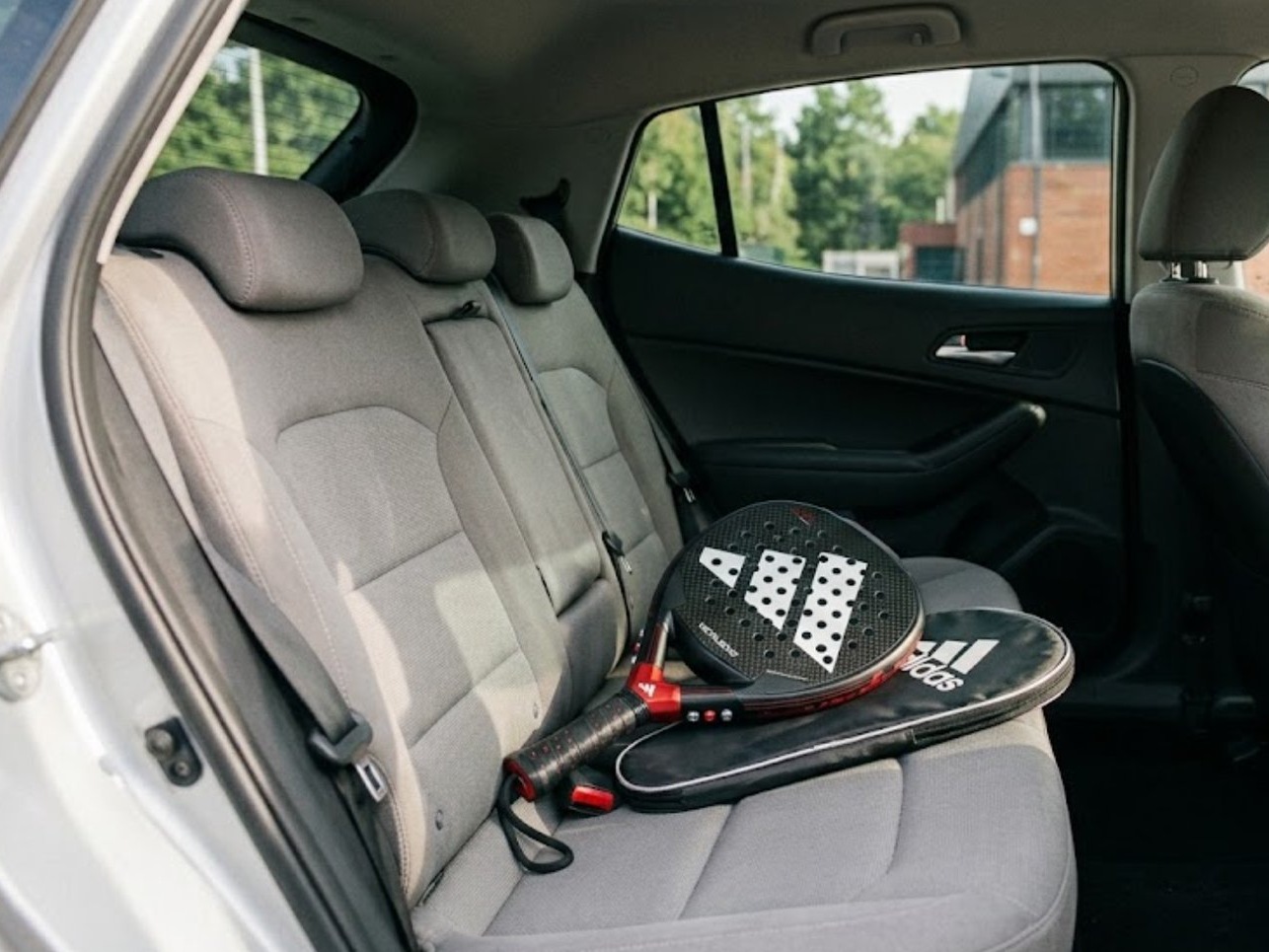
Three things nobody mentions until it’s too late.
Your bag is in the trunk. It has been there since your last session, and it will sit there until the next one.
A padel racket is a foam core with carbon or fiberglass bonded to each face. Heat works on all three. A closed car in August runs far hotter than the day outside it, and that heat softens the foam and goes after the glue holding the faces onto it.
Nothing dramatic happens, which is exactly the problem. The racket never cracks, it just goes quietly dull. It happens over weeks, so you blame your arm, or the balls, or a bad run of form.
Winter does its own version. A frozen racket is stiffer and more brittle, and the first ball of a January morning lands on a face with no give in it at all.
The fix is free. Take the bag inside.
Five calls that stop the ball landing between you
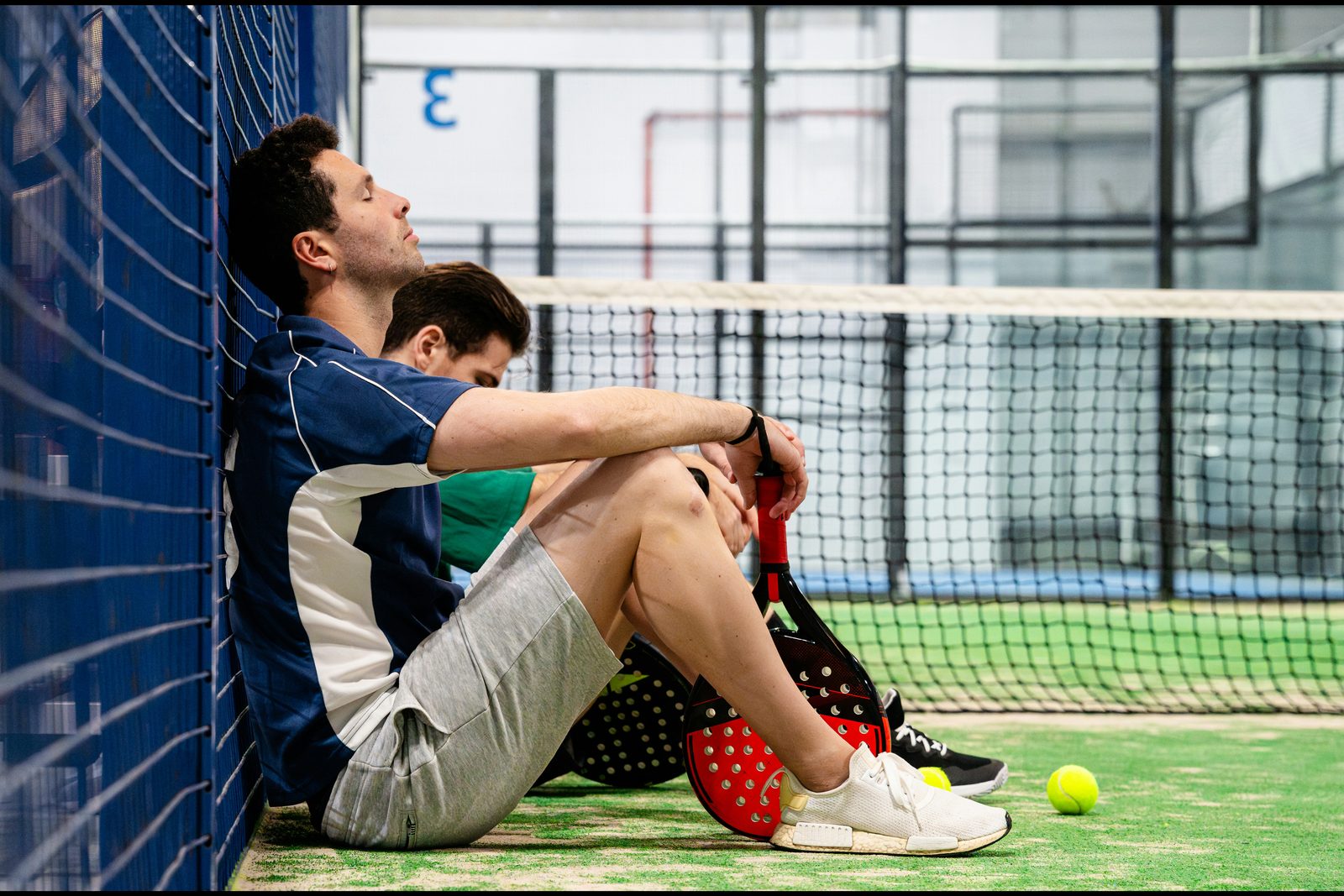
You know the point. You both move for the same ball, one of you pulls out a beat too late, and it drops between you while you apologize to each other.
The other version is worse. Neither of you moves, because you each assumed the other had it.
Same ball, same patch of court, opposite cause. Neither is a positioning problem. Both are silence problems.
Five calls cover nearly all of it:
“Mine.” You are taking it. Said before you move, not while you swing.
“You.” You are not getting there. Your partner has to commit, now.
“Leave it.” The glass will do the work. Let it come.
“Switch.” You are crossing behind them.
“Back.” A lob is going over their head.
The part most players get wrong is not which word. It is when. A call that arrives as you hit is not information, it is narration. It has to land while your partner still has time to do something with it.
Say it early, say it loud enough to feel rude, and use the same calls every time. A partner who has to interpret you is a partner who hesitates.
Nobody has ever lost a point for calling too soon.
Is a ball pressurizer needed, or just a gimmick?
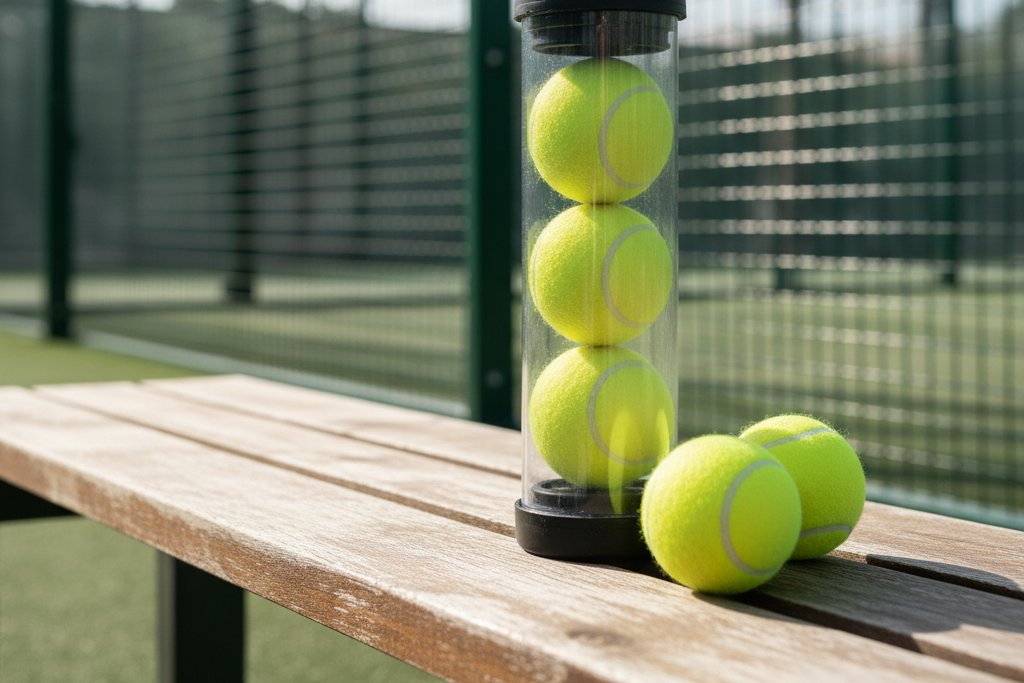
A padel ball dies two deaths. The rubber core leaks, because rubber is porous and never fully seals, and the bounce goes with it. Separately the felt wears down, because you keep hitting it.
A pressurizer deals with the first. It cannot touch the second.
So the ball comes out of the tube bouncing correctly and still feeling wrong. It restores the half you can measure and leaves the half you can feel. That is what we found using one, and it is the honest ceiling on what the device does.
There is a second thing nobody puts on the box. As a ball ages the rubber loses elasticity and turns more permeable, so it leaks faster than it did when new. The pressurizer is holding back a problem that keeps growing.
Worth knowing before you buy: almost every verdict published on these is written by somebody who sells them, and the tests all measure bounce height, because bounce height is measurable. How a ball comes off your strings is not, so nobody has tested that at all.
None of which makes it a gimmick. It does half the job, properly, and half is not nothing. Just know which half you are paying for.
Court of the week
La Casa del Padel, two lighted courts inside Overland Park Racquet Club at 6800 W 91st Street, just south of Kansas City. The first padel club we list in Kansas.
Private lessons, clinics and memberships sit alongside regular court bookings, so there’s a way on whether or not you have a four. Doors open at 7:00 AM Monday to Friday and close at 10:00 PM, weekends 7:00 AM to 8:00 PM.
Booking runs through PlayByPoint and parking is free. Best part is that seven o’clock open. Padel before work, not only after it. See La Casa del Padel.
See you next Sunday.
Padelkin