
Soft beats hard
The chiquita: the soft, low shot that punishes aggression, why it beats the drive off the back glass, and how to set up the point one shot ahead.
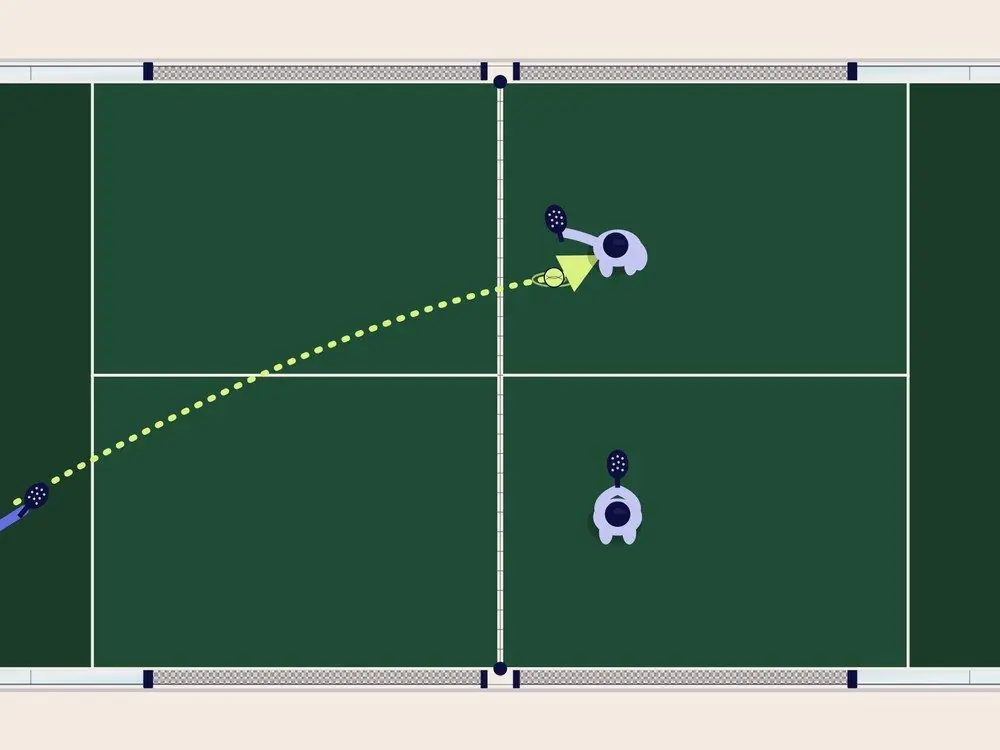
When the ball comes off the back glass, the instinct for almost every beginner is the same: load up, drive, send it past them. That instinct keeps you stuck at the lower levels longer than you should be.
The shot pros play instead, the one tennis never taught you, is soft, low, and lands at the volleyer’s feet. The Spanish call it the chiquita: the little one. It looks defensive. It’s the smartest weapon you can carry.
Test your court IQ
You play a perfect chiquita to your opponent’s feet. What’s your next move?
- A) Stay back and wait to see if they miss.
- B) Sprint hard to the net to claim the position.
- C) Take two steps forward into transition, ready for what comes back.
If you picked C, you’re already thinking like an intermediate. A good opponent won’t just pop it up: they can answer with a chiquita of their own, force a much harder exchange, or lob their way out to reset. You step in to stay in control and ready for what’s coming next.
Why it works
It punishes aggression. The closer your opponents stand to the net, the more exposed their feet are, so the harder they press, the better the chiquita gets. And it pulls the volley up: a ball at the volleyer’s feet can’t be hit down, it has to come up. You step in, and the next ball is yours.
The fix
Two changes. Before every back-court swing, ask yourself: clean drive, or forced drive? If you’re scrambling or the ball is low, chiquita. And aim two feet inside the service line, on the weaker volleyer’s side. Not the line, not the back wall. The feet.
At the beginner level, a clean chiquita often finishes the rally on its own because opponents freeze. At intermediate and up it almost never wins the point itself; it simply sets up the next shot. Either way, you’re playing one shot ahead. The full breakdown lives in what a chiquita is and when to hit it.
What we’re watching

The US pro season opens at home. The Pro Padel League’s 2026 opener runs July 9 to 12 in New York, the first of five PPL events across North America this year. Watch the transition game, not the highlight smashes. The chiquita is the shot that tells you who’s thinking and who’s just hitting: the pros play it at speed, under pressure, from impossible positions, exactly when you’d expect a drive. Count the points that end one or two balls after a soft, dipping shot did the real work, then steal one of those rhythm changes next time you play.
Court of the week
Wynwood Padel Club, Miami. At 1932 NW Miami Court, in the heart of the arts district, this is one of the largest setups in the country: eight outdoor courts wrapped in the murals and industrial energy that define the neighborhood. It’s less a standard sports facility and more a social hub, with a sunset deck and a full restaurant.
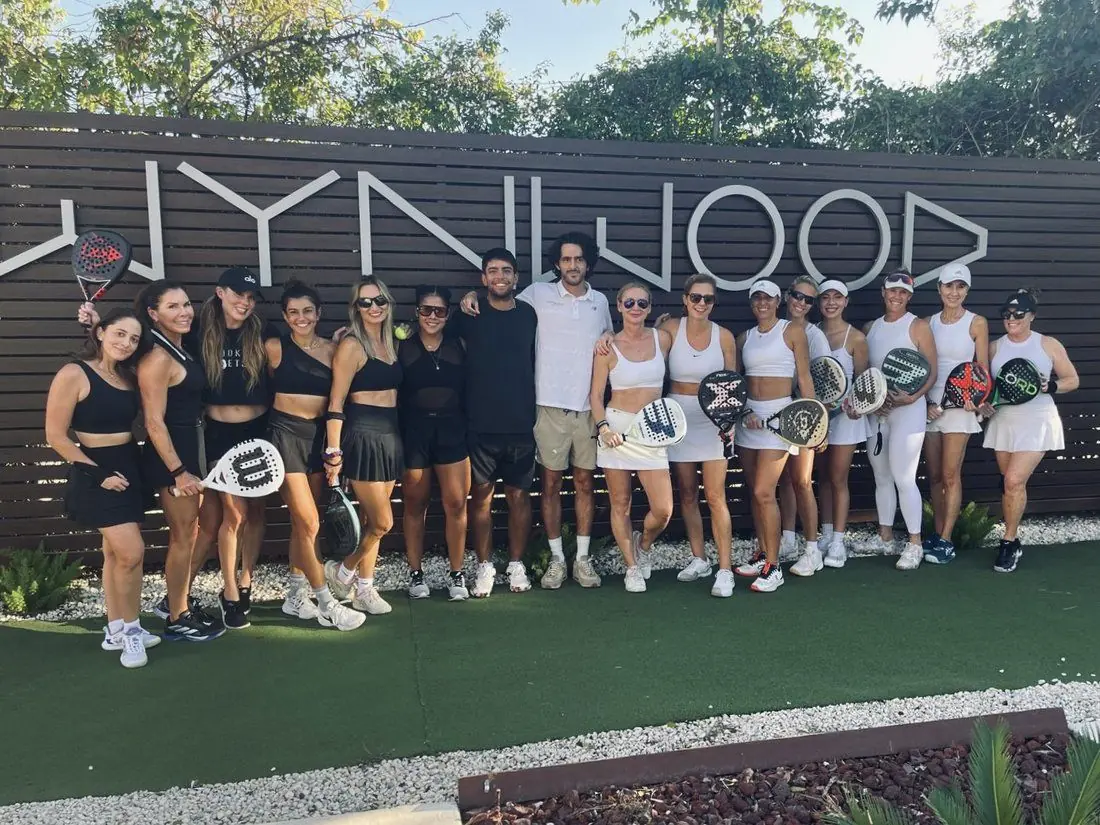
The play experience depends on the clock. The courts run hot on summer afternoons, so morning or evening sessions are the smart play, and if you can land it, the sunset slot is the one to chase. Booking runs through the PlayByPoint app, and prime windows disappear quickly, so reserve a few days out. Traveling solo? The front desk can usually pair you with a local game if you call ahead. See Wynwood Padel Club.
See you next Sunday.
Padelkin