
The best padel overgrip is the one that matches your hands
Racket slipping or sweating out of your hand? The best padel overgrip depends on how much you sweat. Tacky vs absorbent, thickness, and how to wrap it.
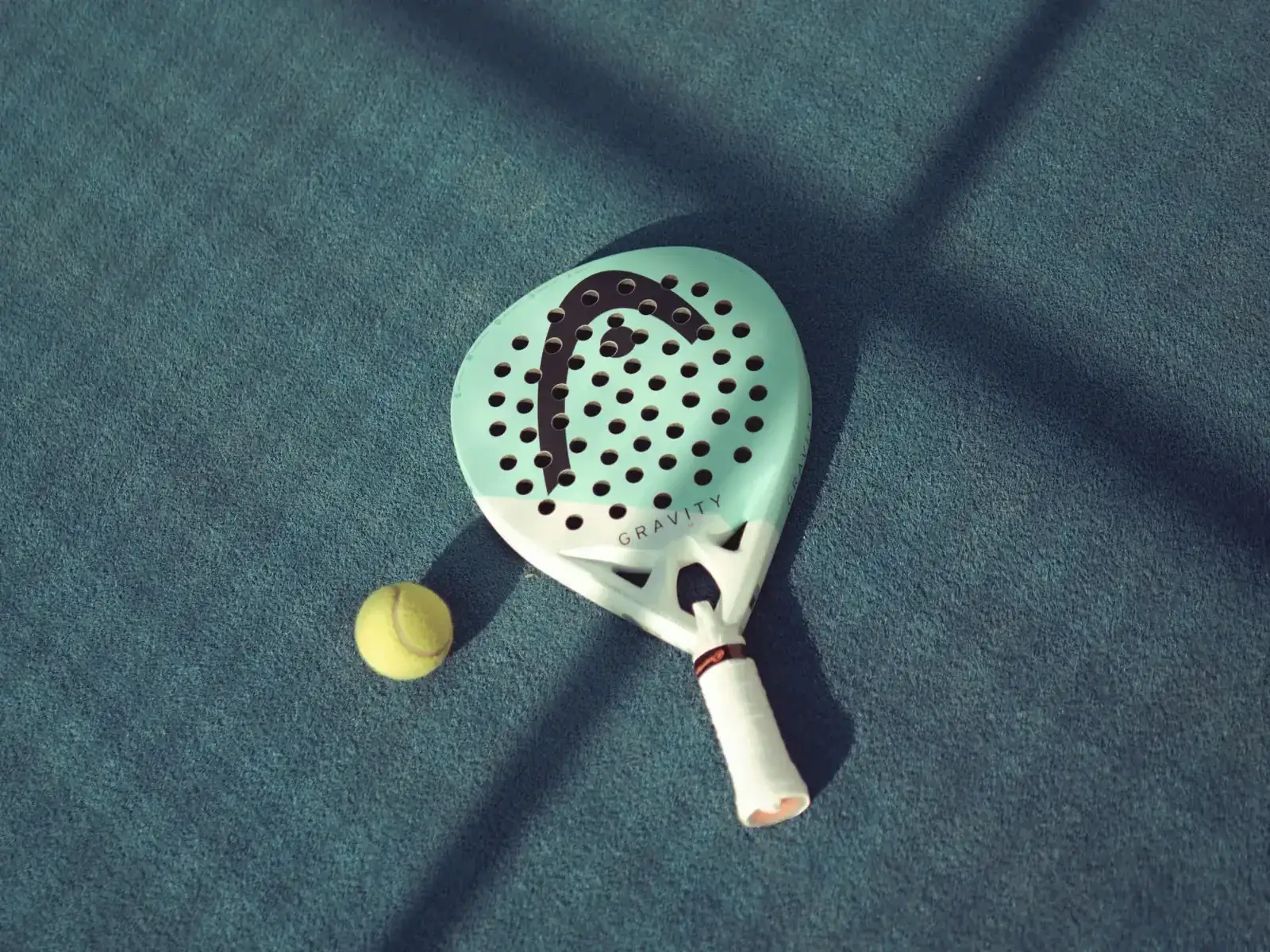
Your racket twists on contact. Halfway through a hot session the handle feels like a bar of wet soap, and you’re gripping harder just to keep hold of it. Before you blame the racket or your technique, look at the grip. An overgrip is the cheapest fix in padel, and swapping it fixes the slipping most players think they have to live with.
Here’s the catch: there’s no single best padel overgrip. The right one depends on how much you sweat and where you play. This guide gives you the framework to pick your own, the US-available brands worth knowing, and how to actually wrap it so it doesn’t wrinkle up on you.
TL;DR
The best padel overgrip is the one matched to your hands and your climate, not a universal number one. Two things decide it:
- How much you sweat. Dry hands and cooler, indoor play like a tacky grip (immediate stickiness). Heavy sweaters and hot outdoor courts want an absorbent grip (wicks moisture so it doesn’t turn slick).
- Your hand size and feel. Thickness tunes the handle: thinner for feedback and control, thicker for cushion and a bigger grip.
Overgrips are cheap and consumable, so buy a multi-pack and replace yours when it goes slick or hard.
Why an overgrip is the cheapest upgrade in padel
An overgrip is a thin strip of tape you wrap over your racket’s handle. It does three jobs at once: it gives you grip so the racket doesn’t twist, it soaks up or repels sweat so your hand stays put, and it changes how the handle feels. For a few dollars, it touches the one part of the racket you’re actually holding.
Compare that to the other upgrades players chase. A new racket is a real investment, and new shoes aren’t far behind. The overgrip is the one piece of gear where the cost is trivial and the payoff is immediate. Slipping grip, sweaty hands, a handle that feels wrong: all of that is cheaper to fix than anyone expects.
It’s also the most personal piece of gear you own. What feels perfect to your doubles partner might feel too thin or too slick to you. If you’re still dialing in the handle underneath it all, choosing the right padel racket grip size covers how handle shape and size should fit your hand in the first place. The overgrip fine-tunes from there.
Overgrip vs. base grip
Quick clarification, because the two get mixed up. Your racket comes with a base grip already wrapped around the handle from the factory. That’s the padded layer that gives the handle its core shape and thickness. You leave it on.
The overgrip goes on top of the base grip. It’s the wear layer, the part your hand actually touches, and the part you replace. When people talk about changing their grip, they almost always mean the overgrip. You don’t peel off the base grip every few weeks; you wrap a fresh overgrip over it and keep the base underneath for the life of the racket.
So the base grip sets the foundation, and the overgrip is the consumable on top. Buy overgrips in packs, replace them often, and leave the base grip alone unless it’s genuinely worn through.
Tacky vs. absorbent: pick by how much you sweat
This is the decision that matters most, and it comes down to your hands. Overgrips split into two broad families.
Tacky grips are sticky to the touch. You get an immediate, grippy hold the moment you pick up the racket, and no break-in. They shine for dry hands and cooler, indoor conditions where you’re not sweating much. Wilson makes a well-known one. For most recreational players who don’t sweat heavily, tacky is the sensible default.
Absorbent grips (sometimes called dry grips) feel textured and slightly rough rather than sticky. Instead of holding through stickiness, they wick moisture away so the handle doesn’t turn slick when your hand starts to pour. This is the camp for heavy sweaters and hot outdoor courts, the Florida-in-August scenario where a tacky grip can get greasy once it’s soaked. Yonex Super Grap is a common absorbent pick, and Tourna Grip is the other name to know here, built for exactly this problem.
If you sweat a lot, ignore the “tacky is default” advice and go absorbent, even indoors. And if your hands stay bone-dry, a tacky grip will feel better to you than any absorbent one. Match the grip to your hands, not to what someone told you was best.
The other things that matter
Once you’ve picked a family, a few more details separate a good grip from a great one for you.
- Thickness. Most overgrips add roughly 0.4–0.7 mm; some cushioned ones run thicker, around 0.8–1 mm. Thinner means more feedback and control, so you feel the ball better. Thicker means more cushion and a slightly bigger handle, which suits larger hands or anyone who wants padding. If your handle already feels a touch small, a thicker grip nudges it up without a new racket.
- Durability. Some materials, like polyurethane and hybrid blends, hold up longer before they wear out. A grippier tacky grip sometimes trades a little longevity for that instant stickiness. Neither is wrong; it’s a preference for how often you’re willing to rewrap.
- Length and stretch. Padel handles are shorter and narrower than tennis handles, so you use less of the grip per wrap. A grip with good stretch molds cleanly around the handle without bunching. Most overgrips give you plenty of length for a padel handle with room to spare.
- Value. Overgrips are consumable by design, so this is a numbers game. A single premium grip and a multi-pack of a solid everyday grip both work, but the multi-pack is what keeps a fresh grip on your racket year-round. Buy in bulk and rotate.
What’s available in the US
The good news for US players: you’re not short on options, and you don’t need a padel-specific label to get a good grip. Overgrips are effectively universal, so a tennis overgrip works fine on a padel handle. That opens up nearly every racket-sports brand on the shelf.
Names you’ll find without hunting: Wilson, Head, Babolat, Bullpadel, NOX, Yonex, Tourna, and Siux. Some are padel-first brands, some are tennis crossovers, and for an overgrip that distinction barely matters. Pick a tacky or absorbent one from any of them and you’re in good shape. If you’re shopping for the racket underneath at the same time, our rundown of the best padel rackets in 2026 pairs naturally with a fresh grip on top.
One thing that trips people up: Hesacore isn’t an overgrip. It’s a separate hand-shaped structural under-grip that reshapes the handle to redistribute pressure across your palm, and it goes under a normal overgrip, not instead of one. It’s a different product solving a different problem, so don’t shop for it alongside the tapes above.
How to wrap an overgrip
Wrapping a grip is a two-minute skill that looks fiddly the first time and becomes automatic by the third. Here’s the full motion end to end, from the butt-cap start to the finishing tape.
Here’s the same method in writing:
- Peel and find the tapered end. Most overgrips have one narrow, angled end and a small finishing tape. Start with the tapered end.
- Start at the butt cap. Line the tapered end up at the very bottom of the handle, at the butt cap, and pin it with your thumb. Some players tack it down with the included sticker or a thin bit of tape so it doesn’t slip while you wrap.
- Wrap upward with a slight overlap. Working up the handle toward the head, wrap on a slight diagonal so each turn overlaps the previous one by a few millimeters. Keep light, even tension the whole way, enough to pull out wrinkles, not so much that the grip stretches thin.
- Finish and seal. Stop where the grip feels right in your hand, cut off any excess at a clean angle if needed, and lock the top edge down with the finishing tape that came in the pack.
The two things that separate a clean wrap from a lumpy one: consistent overlap and no wrinkles. If a bubble or ridge shows up, unwind a couple of turns and redo it. A wrinkled grip creates a hot spot that’ll bug you every rally.
When to replace it
There’s no fixed schedule, and anyone who tells you a grip lasts exactly so many sessions is guessing. It depends on how hard you play, how much you sweat, and which grip you’re running. Go by feel instead, and rewrap when you notice any of these:
- It’s slipping. The racket twists or shifts in your hand mid-rally, and you’re re-gripping between points. That’s the clearest signal.
- It’s gone shiny or hard. A tacky grip that’s lost its stick, or an absorbent one that’s flattened and slick, has given up. When the texture’s gone, so is the grip.
- It’s fraying or unraveling. Peeling edges at the butt cap or top, or the wrap starting to come loose, means it’s past due.
Heavy sweaters and frequent players burn through grips faster, which is exactly why the multi-pack pays off. A fresh grip is the cheapest performance boost in the sport, so there’s no reason to play on a dead one.
How to choose your next padel overgrip
You don’t need a ranked buy-list. You need to match the grip to you, and you’ve got everything to do it:
- Diagnose your sweat first. Dry hands or cooler indoor play, start with a tacky grip. Heavy sweater or hot outdoor courts, go absorbent. That one call gets you most of the way there.
- Set the thickness to your hand. Want more feel and control, go thinner. Want cushion or a slightly bigger handle, go thicker. If your current handle already fits, match the thickness you’re used to.
- Buy a multi-pack, not a single. Grips are consumable. A pack keeps a fresh one on your racket all season and costs less per wrap.
- Rewrap on feel, then play. When it slips, shines, or frays, swap it. Grab a partner, find a court near you, and go play on a grip that actually holds.
Get the grip right and the racket stops fighting you. Next session, you’ll feel it on the very first swing.
FAQ
Can I use a tennis overgrip for padel?
Yes. Overgrips are effectively interchangeable between tennis and padel, so any tennis overgrip works fine on a padel handle. The only real difference is that padel handles are shorter, so you’ll use a bit less of the grip per wrap and have length to spare.
How often should I change my padel overgrip?
There’s no fixed number; it depends on how much you sweat and how often you play. Replace it by feel: when the racket starts twisting in your hand, when a tacky grip goes shiny and hard, or when the edges start fraying. Heavy sweaters and frequent players will rewrap more often than casual weekend players.
Tacky or dry overgrip, which is better?
Neither is universally better; it comes down to your hands. Tacky grips give an immediate sticky hold and suit dry hands and cooler indoor play. Dry, absorbent grips wick moisture and suit heavy sweaters and hot outdoor courts, where a tacky grip can turn slick once it’s soaked.
Do I need a base grip and an overgrip?
Your racket already comes with a base grip from the factory; you leave that on and wrap an overgrip over it. The base grip sets the handle’s shape and thickness, and the overgrip is the replaceable wear layer your hand touches. You only replace the overgrip, not the base.