
Best padel rackets 2026
The 2026 padel rackets actually worth buying in the US: by tier, by style, by what you can ship today. No EU-only picks, no pro-signature hype.
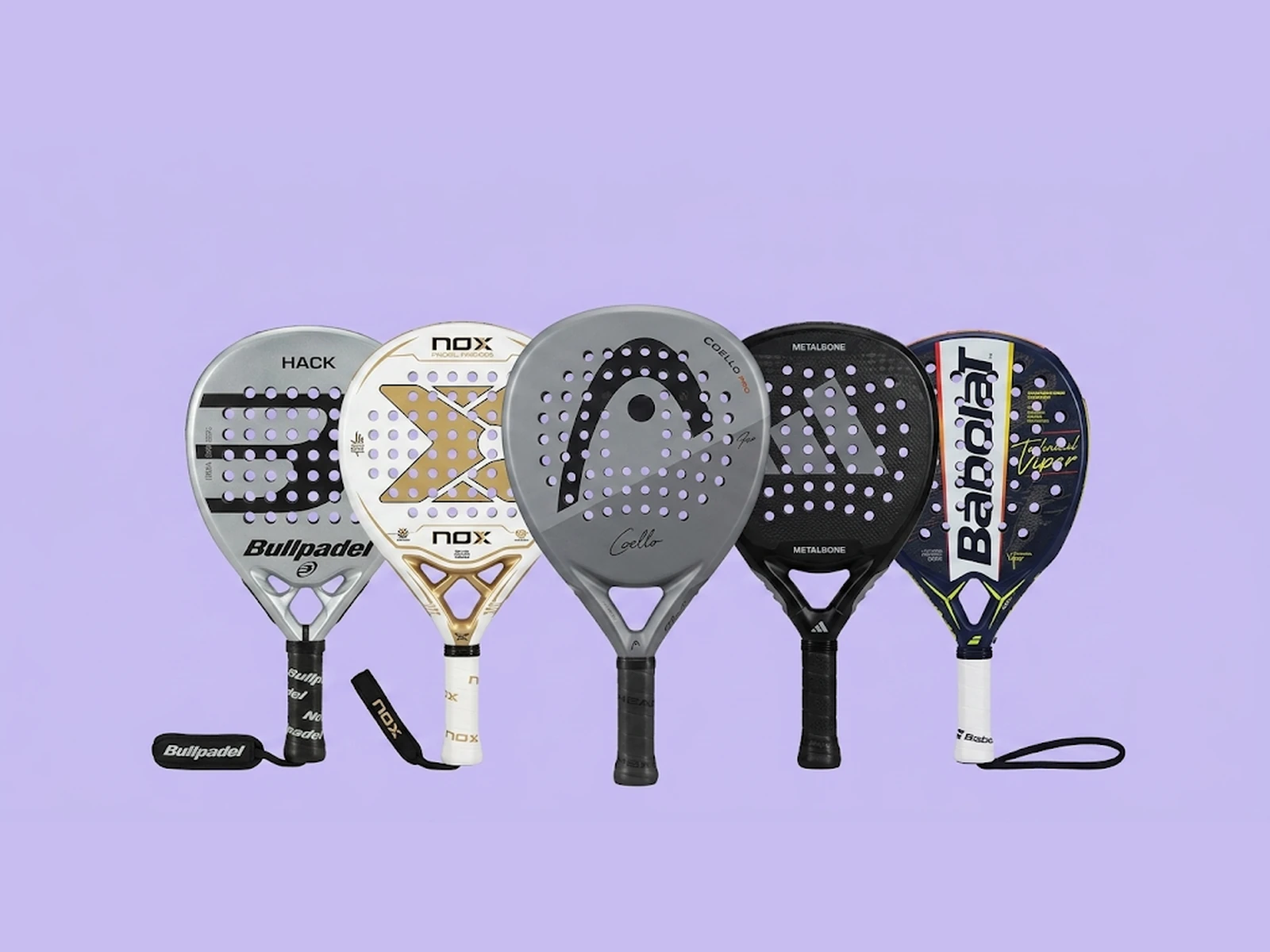
Every “best 2026 padel rackets” list you’ll find ranks by who plays what on the pro tour, prices in euros, and recommends models that won’t ship to your address. We wrote this one for the player in Charlotte or Long Beach trying to figure out, before next weekend’s session, which racket is actually worth the money and actually in stock in the US.
This is the companion to our how to choose a padel racket guide. That one teaches you the frame, the shapes, the weights, the rules of how a padel racket works. This one tells you what we’d buy with our own money this year. Three different questions decide your answer: what level are you, what style do you play, and where can you actually buy the thing.
A quick note: some links in this guide are affiliate links, and PADELKIN8OFF is our reader discount code. If you buy through them, we may earn a small commission at no extra cost to you. It never changes the picks. We call every racket the same way whether there’s a link on it or not.
TL;DR
The strongest 2026 padel rackets sort into four jobs, and the right pick matches you to the job, not to a pro.
- Beginner control ($50–$120). Round shape, lighter weight, forgiving sweet spot. Don’t overspend.
- Intermediate all-court ($120–$250). Teardrop shape, balanced weight. This is where most upgrade buys land.
- Advanced attack ($250–$400+). Diamond shape, head-heavy, harder face. Only earn this when your defense survives it.
- Pro signature ($300–$450+). What Tapia, Coello, Galán play. Almost never the right racket for you.
US stock matters as much as the spec sheet. Padel USA is our default for domestic shipping, your local club is worth a stop for the demo, Amazon works in a pinch, and second-hand groups can save you real money on the premium tier. If you can demo before you buy, do it.
The four jobs a 2026 racket has to do
Every racket on the market is built to do one of four jobs. Buy the wrong job for your level and the racket will either bore you or beat you up. Get the job right and the brand barely matters.
Beginner control. Forgiving sweet spot, low weight, round shape. Built to land the ball in the court while you’re still learning where the wall sends it. If you’re new to padel and still learning the walls, this is your job.
Intermediate all-court. A teardrop frame with balanced weight, soft enough to control but with enough pop to attack when the ball sits up. This is the largest tier on the market and where most upgrade buys land. Once you’ve settled into the sport with a real sense of your style, this is yours.
Advanced attack. Diamond shape, head-heavy, harder face. Built to finish points, not to forgive a late swing. Only worth it when your defense, your back-wall game, and your bandeja (the controlled overhead that holds the net) are already solid. Otherwise it punishes you more than your opponents do.
Pro signature. The actual paint job your favorite player runs on tour. We’ll get to why these are almost never the right answer for you, even when you can afford one.
The four jobs map cleanly to the four price bands above. Spec yourself first, then shop.
Beginner rackets we’d buy in 2026
If you’re new, the racket’s job is to keep balls in play while you learn the walls. That’s it. Spending $300 on a diamond frame because a pro plays one will set you back, not move you forward.
What to look for: a round head shape (the sweet spot sits in the middle of the face, where beginners actually hit the ball), a weight in the typical beginner band (roughly 360 to 370 grams on most brand spec sheets), soft EVA foam, and a fiberglass or fiberglass-blend face. Price band: $50 to $120.
The two safe defaults from major brands in 2026:
- Head’s Evo Speed line. Round, light, control-oriented. Head’s beginner mainstay, restocked yearly.
- The NOX X-One Evo line. Same job, NOX’s version. Honest beginner racket from the brand most US clubs already have on their demo wall.
Both sit inside that $50 to $120 band when in stock. Either one will outlast your beginner phase, which is the whole point.
One racket gets brought up a lot in the beginner conversation that probably shouldn’t be there: the Bullpadel Ionic Control. It’s a strong frame, but it sits in the mid-intermediate control tier, not beginner. If you’re brand new, you’ll outpay your skill. Wait for it.
The mistake beginners make most often isn’t underspending. It’s overspending. A $300 advanced racket in a new player’s hand stalls progress.
Intermediate all-court picks
This is the tier most readers of this guide should actually be shopping in. You’ve settled into the sport with a real sense of your style, you know your forehand from your backhand, you can rally off the back glass, and you’re ready for a racket that gives back when you ask it to.
What to look for: a teardrop head shape (sweet spot shifted slightly toward the tip, giving you both control and pop without the unforgiveness of a full diamond), balanced weight in the typical intermediate band (around 365 to 375 grams on most brand spec sheets), a carbon-fiberglass blend face, and medium-density foam. Price band: $120 to $250.
Three 2026 frames worth shortlisting:
- Bullpadel XPLO CMF 2026. The non-signature variant of the Di Nenno frame. Teardrop, balanced, attack-leaning without losing control. The honest middle option from a brand built around attack rackets.
- Babolat Counter Viper 2.6. Babolat’s intermediate Viper line. Slightly more control-biased than the pro Viper that Lebrón plays, with the same family feel.
- Head’s intermediate all-court line. Teardrop, even balance, friendly to a tennis-trained swing path. If you came from tennis, this is the one that won’t fight you.
One thing worth saying out loud: a lot of “new for 2026” mid-tier rackets are last year’s mold with a fresh paint job. That’s not a scam, it’s how the industry works. It means a 2025 flagship on clearance often beats a brand-new 2026 mid-tier for the same money. We’ll come back to that.
If you came to padel from tennis, the racket choice ties into the swing changes your strokes need anyway. Our coming from tennis guide covers the transition; pair it with this tier and you’ll speed up your adjustment.
Advanced attack rackets
The diamond tier. If you’re not advanced yet, skim this section so you know what to graduate into, then go back to the intermediate picks.
What to look for: a diamond head shape (sweet spot pushed to the tip of the racket, maximum power, minimum forgiveness), head-heavy balance, weight in the typical advanced band (roughly 370 to 385 grams per brand spec sheets), a harder carbon face, and dense foam. Price band: $250 to $400+.
Two headline diamond signatures worth naming in 2026:
- Bullpadel Hack 04 2026. Paquito Navarro’s signature. Diamond, head-heavy, brutally fast through the air. Punishing on mishits, devastating on clean ones. Bullpadel has been building rackets since 1995 and the Hack line is the one their attack-game DNA lives in.
- NOX AT10 Genius 12K Alum Xtreme 2026. Tapia’s signature. Same diamond/head-heavy job, slightly different feel: a touch more flex in the face, a touch more pop on contact. The 12K refers to the carbon weave; treat it as marketing, not a spec.
Sitting next to them in the same tier without a signature attached: the Bullpadel Vertex 05 Geo 2026. Same diamond/attack DNA as the Hack, often a more honest price because no pro endorsement sits on top of it. Worth a look if the Hack is out of stock.
What about Head? Their real diamond in this tier is the Head Coello Pro 2026, Arturo Coello’s signature (more on it in the pro list below). Skip the Radical Pro if you’re shopping this tier for power: despite the advanced price, it’s a control-first teardrop, a fine all-court frame but not the attack weapon this section is about.
Here’s the test for whether you should buy one of these: can you reliably defend, lift a deep lob, and play a clean bandeja under pressure? If yes, this tier is fun. If no, this tier will expose you and make every session feel worse. Stay one tier down and you’ll improve faster.
| Tier | Shape | Weight band | Price band | Example 2026 model |
|---|---|---|---|---|
| Beginner control | Round | ~360–370g | $50–$120 | Head Evo Speed |
| Intermediate all-court | Teardrop | ~365–375g | $120–$250 | Bullpadel XPLO CMF 2026 |
| Advanced attack | Diamond | ~370–385g | $250–$400+ | Bullpadel Hack 04 2026 |
| Pro signature | Diamond / teardrop | ~370–385g | $300–$450+ | NOX AT10 Genius 12K Alum Xtreme 2026 |
What the pros play (and what it means for you)
Premier Padel is the only top-tier men’s tour in 2026. The old WPT wound down after Qatar Sports Investments took over the assets, and the European regulator signed off in early 2024. So when you see “WPT racket” in old listicles, mentally replace it with Premier Padel and move on.
At the top of the men’s rankings, Coello and Tapia hold the top two spots, tied. Galán and Chingotto sit just behind, and Lebrón rounds out the top of the table. Here’s what they play in 2026:
- Tapia: NOX AT10 Genius 12K Alum Xtreme 2026.
- Coello: Head Coello Pro 2026.
- Lebrón: Babolat Technical Viper 3.0.
- Galán: Adidas Metalbone 2026.
- Paquito Navarro: Bullpadel Hack 04 2026.
- Di Nenno: Bullpadel XPLO 2026 (the signature version, not the CMF intermediate).
On the women’s side, Salazar runs the Bullpadel Flow Legend 2026, a limited edition built as a tribute to her 25 years in the sport. The rest of the top women’s draw is split across Bullpadel, NOX, Wilson, and Babolat in their own signature lines. We’ll keep gesturing at the brand mix rather than pinning specific 2026 models to specific players, because women’s signature SKUs move year to year and we don’t want to send you to a frame that just got discontinued.
Now the punchline. What the pros play matters less than you think.
Pro signature rackets are tuned for swings that move at speeds you and we don’t generate. They reward perfectly clean contact and punish anything off-center. They’re heavy, they’re stiff, they’re built to deliver power into a ball that’s already moving at pro pace. Hand one to an intermediate and the racket exposes every flaw in their stroke without giving them the upside that justifies it.
The right way to read pro signatures: as a brand identity signal, not a spec recommendation. Tapia plays NOX, so NOX’s intermediate line probably has a similar feel philosophy. Lebrón plays Babolat, so a Babolat intermediate frame will feel familiar if you eventually move up. Use the pro you like to pick the brand family, not the actual SKU.
Can you actually buy this in the US?
This is the part most EU-written 2026 lists skip. In the US in 2026, four paths get a racket into your hand. They’re not equal.
-
Padel USA (our default). The widest 2026 catalog shipping domestically, with real stock across Adidas, Bullpadel, NOX, Wilson, and more. Use the code PADELKIN8OFF at checkout for our reader discount. Stock still moves fast: a racket listed today can be backordered next week, especially the pro signatures right after a Premier Padel event when a player wins something.
-
Your local club. Many US padel clubs run a small pro shop or a demo wall next to court check-in. If yours does, buy from them. You get to hold the racket before you commit, you support the club that gave you the sport, and you skip the shipping wait. Inventory is thinner though: club shops don’t stock the full 2026 lineup, and for a specific flagship you may end up ordering online anyway. Worth stopping by regardless to demo before you buy, because a racket that looks perfect on paper can feel completely wrong in your hand.
-
Amazon. Convenient, fast shipping, easy returns. The trade-off is price. Padel rackets on Amazon mostly come from third-party resellers rather than brand-authorized retailers, which usually means sticker prices with no clearance markdowns and no seasonal offers. Fine for a beginner racket you want in hand tomorrow; expensive if you’re chasing a 2025 clearance flagship or a specific 2026 pro signature that Padel USA still has in stock.
-
Second-hand. Facebook padel groups, r/padel, club WhatsApp threads. The premium tier’s best-kept secret: advanced players cycle through rackets fast, and a used pro signature with a few months of play on it can go for well below retail. Rules for buying used: inspect the head for cracks (any is a deal-breaker), ask how many sessions the racket has, check the edge frame for wear. If the surface has lost its factory tack, expect a slight drop in spin. Meet in person when you can; if you can’t, ask for close-up photos of the head, edges, and butt cap before you pay.
When 2025 still wins
The dirty secret of every “best 2026 rackets” list: most 2026 mid-tier rackets are 2025 molds with new graphics.
This is normal in the industry. The flagship attack racket gets a real redesign for the new year. The intermediate and beginner frames mostly get a paint job and a cosmetic tweak so they read as “new.” There’s nothing wrong with that, but it has real buying implications.
When the 2026 line drops, the 2025 flagships go on clearance. For an intermediate upgrade buy, a 2025 advanced or pro frame at clearance often beats a brand-new 2026 mid-tier at full price. You get a year-old top-tier mold instead of a re-skinned mid-tier, for similar money.
One 2025 Head frame worth watching on clearance at Padel USA right now: the Head Speed One 2025, a teardrop all-court frame from Head’s Speed line. Its face texture grips the ball for spin without slicing, in a friendlier package for players not yet ready for a diamond frame, at a last-year price.
Two times the 2026 frame is genuinely worth the premium:
- The racket is the brand’s flagship pro signature and the mold was actually redesigned (Hack 04, Metalbone, the AT10 Xtrem update). The 2026 version is materially different.
- You want the warranty, the latest cosmetic, or the limited edition (the Salazar Flow Legend tribute).
Outside those, check what last year’s flagship is going for before you buy a current-year mid-tier. The savings often funds your next pair of padel shoes, which matter more than most racket upgrades.
The 3-question shortcut
If a tier still isn’t obvious, three questions decide it.
- What level are you? New to padel and still learning the walls, beginner. Comfortable in rallies with a feel for your own style, intermediate. Comfortable defending, lifting, and finishing under pressure, advanced. If you can’t honestly answer this, default down a tier; an under-spec’d racket teaches you faster than an over-spec’d one.
- What’s your style? Do you build points patiently from the back, or do you live to finish at the net? Control players want round or soft teardrop; attackers want firmer teardrop or diamond. Most intermediates are control-leaning whether they admit it or not.
- Where are you buying? Padel USA for direct shipping, your local club for a demo and instant hand-off, Amazon for a beginner grab, second-hand for a premium bargain. Check stock before you fall in love with a model. A perfect spec you can’t ship doesn’t exist.
If question one made you hesitate, go back to our how-to-choose companion guide first. It walks the whole frame in more depth: shape, weight, balance point, face material, foam density. Come back here for the shortlist once you’ve settled the level question.
How to buy your next padel racket in 2026
Three concrete moves, in order.
- Demo before you buy. Find a US club with a demo wall in our padel court directory, book an hour, and hit with two or three frames in your tier. The right racket announces itself in the first ten minutes.
- Check Padel USA first, then your local club, then the second-hand groups. Padel USA has the widest 2026 catalog for US shipping with a reader discount (code PADELKIN8OFF), the club gives you a demo, and the used market often has last year’s flagship at a real discount.
- Subscribe to the Sunday Drop. One US-grounded padel email a week, one fixable habit at a time, one US court worth knowing. When the 2027 lines drop and 2026 flagships go on clearance, you’ll hear about it first.
Buy the tier, not the pro. Buy from a US retailer that ships this month. Demo when you can. That’s the whole game.
FAQ
What’s the best padel racket for a beginner in 2026?
A round-shape frame in the typical beginner band (around 360 to 370 grams on most brand spec sheets) with a forgiving sweet spot, in the $50 to $120 band. Head’s Evo Speed line and the NOX X-One Evo line are the safe defaults from the two brands most US clubs already stock. Don’t overspend at this stage. A $300 advanced racket in a new player’s hand stalls progress; a $90 beginner frame moves you forward faster than the price tag suggests.
Should I buy a 2025 or 2026 padel racket?
Depends on the tier. The 2026 flagship attack rackets (Hack 04, Metalbone, the updated AT10 Xtrem) are genuinely redesigned and worth the premium if you’re in that tier. For intermediate upgrades, a 2025 advanced or pro frame on clearance often beats a 2026 mid-tier at full price, because most 2026 mid-tier rackets are 2025 molds with new graphics. Check last year’s clearance before you pay full price for this year’s cosmetic refresh.
Is the racket Tapia (or Coello, or Galán) plays the best racket for me?
Almost never. Pro signature rackets are tuned for swing speeds, contact precision, and tactical demands that pros generate and the rest of us don’t. They reward perfectly clean contact and punish everything else, which makes them feel terrible in an intermediate’s hand. Use the pro to pick the brand family if you want (Tapia plays NOX, Lebrón plays Babolat), then buy the intermediate or advanced frame in that brand’s line. Match the racket to your level first, your favorite player second.
Where can I buy a padel racket in the US in 2026?
Padel USA (padelusa.com) is our default for US shipping: widest 2026 catalog, real stock across the major brands, and a reader discount at checkout using the code PADELKIN8OFF. Your local club is worth a stop too, both for the racket and for the demo session before you commit. Amazon works in a pinch but usually costs more, since padel rackets there mostly come from third-party resellers without clearance markdowns or seasonal offers. Second-hand markets like Facebook padel groups and r/padel can save you real money on the premium tier if you know how to check for cracks, tack, and edge wear.